It is not a simple task to lose weight as a woman. Hormones change. Sleep gets disturbed. Stress increases. And following the birth, the body must be given time to recover.
This is because these are proved weight loss tips that women can use during postpartum and breastfeeding to ensure that their fat loss process is safe without compromising on hormones, milk production, and long-term health.
The Difference between Women and weight Loss
The way women react to dieting and exercise is different. Estrogen, progesterone, insulin and cortisol are hormones that are very strong in fat storage and fat burning.
These hormonal changes are even more evident after pregnancy. Hence, weight loss tips which have been proven to be effective in women, postpartum as well as breastfeeding should take into account biological differences.
Significant Factors that influence female weight loss
Hormonal fluctuations
Reduced post-pregnancy metabolism.
Sleep deprivation
Cortisol spikes associated with stress.
Thyroid changes
The estrogen patterns also tend to make the women accumulate fat around the hips and abdomen unlike men. Besides, post partum recovery requires additional nutrients. Too much dieting may lead back.
Safe Postpartum Weight Loss
The post part period is a recovery period. The body healing process repairs the tissues, balances the hormones and restores energy. The weight loss should be gradual and deliberate.
Speaking about postpartum weight loss tips, the safety should be the first thing.
When to Reduce weight after delivery
.
Most experts recommend:
Delaying 6 weeks of vaginal delivery.
Delay 8-10 weeks post C-section.
Obtaining medical clearance prior to exercising.
What Are 5 Tips for Weight Loss?
The following are five of the safe and effective strategies:
Consume kilogram meals consisting of protein and fibers composed of healthy fats.
Keep hydrated to facilitate metabolism and recuperation.
Exercise at least 20-30 minutes daily.
Half-waking intervals as much as you can.
Do not use crash diets which reduce metabolism.
The slowing of weight loss of 0.5-1 pound per week is regarded as safe after delivery.
Weight Loss during Breastfeeding
Breastfeeding uses up additional calories. Women average 400-500 calories per day in the production of milk. Nonetheless, severe dieting may decrease the amount of milk.
Thus, exercise weight loss during breastfeeding should be about feeding, rather than starving.
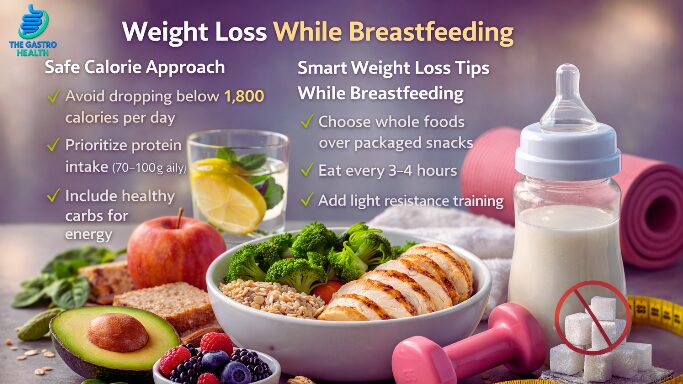
Safe Calorie Approach
Breastfeeding women should:
Do not lower the intake to less than 1,800 calories a day.
Focus on protein consumption (70-100g daily).
Add healthy carbohydrates as a source of energy.
Avoid sugar spikes made by processed sugars.
Easy Breastfeeding Weight-loss Hints
Eat whole foods instead of packaged foods.
Eat every 3-4 hours
Include light resistance exercise.
Manage stress levels
Keep an eye on the milk supply.
In case of a drop in the production of milk, there can be inadequate calorie intake.
Home-Based and Quick Tip of Weight Loss
Gyms are not time consuming to many new mothers. Fortunately, weight loss tips home can as well be effective when being done consistently.
A smart habit, rather than an extreme one is needed to produce quick results. The sustainable change is always the winner.
Quick and Easy (But safe) Weight Loss.
Enhance protein intake in the morning.
Reduce sugary drinks
Walk after meals
Use smaller plates
Practice portion control
5 Healthy Strategies to lose weight?
Diet and exercise is a matter of consistency:
Balanced calorie intake
Regular physical activity
Stress management
Quality sleep
Long-term lifestyle habits
These measures discourage regained weight.
Best Exercises for Women
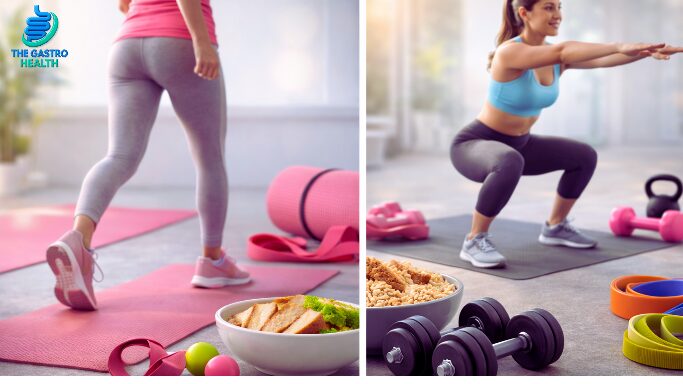
Exercise increases metabolism, mood and balance of hormones. Nevertheless, the level of intensity must be equivalent to recovery phase.
Exercise when talking about the weight loss tips, look at the strength and sustainability.
Practices during the postpartum
Walking
Pelvic floor exercises
Light yoga
Resistance band training
Exercises that make women fat-burning
Strength training (3x weekly)
Bodyweight squats
Lunges
Modified push-ups
HIIT (low intensity after medical Clearance).
It is important, in particular, strength training. Muscle enhances metabolism and helps in the long-term weight loss.
Breastfeeding PUPPS Postpartum
PUPPP ( Pruritic Urticarial Papules and Plaques of Pregnancy ) is a skin disease that can occur in late pregnancy or after child birth. It causes itchy red rashes.
PPP is not a very comfortable one but does not tend to influence the safety of breastfeeding. Severe itching, however, may inconvenience sleep and enhance stress, and this may influence the weight loss indirectly.
Treating inflammation by:
Hydration
Anti-inflammatory foods
Doctor prescribed medical creams.
Oatmeal baths
can help in comfort and recovery.
Pathway to Sustainable Fat Loss Nutrition
To adhere to effective weight loss strategies to use by women, after delivery and during breastfeeding, make it nutrient-dense.
Ideal Plate Model
1/2 vegetables
1/4 lean protein
1/4 whole grains
Vitamins (K, E, b1, b12, Iron, thiamin, riboflavin, niacin, iodine, folate, iron, and pterolylglutamic acid) and minerals (aluminum, calcium, manganese, sodium, and vitamin C).
Foods that facilitate hormonal balance
Eggs
Salmon
Leafy greens
Greek yogurt
Lentils
Do not go extreme with carb removal. Rather, prefer fiber carbs.
Common Mistakes Women Make
Unconsciously, many women are sabotaging the progress. Fraustration can be avoided by awareness.
Avoid These Errors
Skipping meals
Overdoing cardio
Ignoring strength training
Sleeping less than 6 hours
Social media crash dieting.
It is more about being consistent than perfect.
Long-Term Mindset Matters
Loss of weight is not physical only. Emotional health is significant. The changes in mood and body image of the postpartum women are common.
It is imperative to be patient. It is worth remembering that life was created by the body. Recovery deserves respect.
Minor things on a daily basis add up to permanent change.
Conclusion
The weight loss tips proved to be successful in women, postpartum and breastfeeding, focus on safety, balance, and patience. A more intelligent solution is needed due to the hormonal changes, recovery requirements, and the necessity of breastfeeding. Rather than trying to do fast solutions, work towards gradual change in nutrition, strength training, hydration, and stress. Extreme dieting can never be more sustainable than the habits.
FAQs
Medical clearance of safe weight loss is 0.5-1 pound per week.
Yes. Extreme calorie deprivation may reduce milk production.
Firstly, it is safe to walk and to have light strength training.
It can only happen when the calorie consumption is sufficient, and nutrition is normal.
Medical Disclaimer
This paper is purely educational and should not be used instead of a doctor. Never engage in weight loss or exercise program unless your medical practitioner refers you, particularly at the postpartum or breastfeeding periods.