
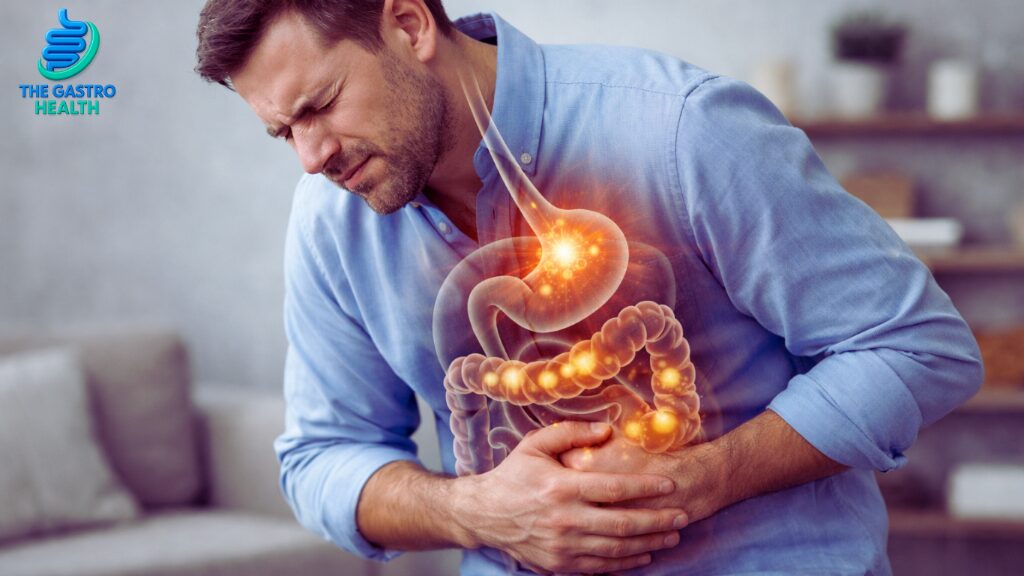
Trapped gas pain is one of the most uncomfortable and confusing digestive symptoms people experience. It can feel sharp, crampy, tight, or even frightening enough to mimic serious conditions like heart problems or appendicitis. While gas is a normal byproduct of digestion, problems arise when it becomes trapped and cannot move through the digestive tract efficiently.
Where Is Trapped Gas Pain Felt?
Trapped gas pain can occur anywhere along the gastrointestinal tract, from the stomach to the colon. The most common locations include:
Upper abdomen: Often feels like pressure or tightness under the ribs
Lower abdomen: Cramping or sharp pain, commonly on the left side
Chest area: Gas trapped near the stomach or diaphragm may cause chest discomfort that mimics heart pain
Pelvic region: Especially common when gas collects in the sigmoid colon
Gas pain often moves from one area to another, which is an important clue that it is digestive rather than structural.
What Causes Trapped Gas?
Trapped gas occurs when air or gas builds up in the digestive tract and cannot be released normally. Common medical causes include:
Swallowing excess air while eating or drinking quickly
Carbonated beverages
High-fiber foods that ferment in the gut
Lactose intolerance or other food sensitivities
Constipation, which blocks gas movement
Irritable bowel syndrome (IBS)
Slowed gut motility
Hormonal changes, especially in females
In many cases, multiple factors work together to cause trapped gas.
What Causes Trapped Gas in the Lower Abdomen?
Gas in the lower abdomen is commonly linked to the large intestine. Causes include:
Constipation or hard stools
Poor digestion of carbohydrates
Imbalance of gut bacteria
Inadequate water intake
Prolonged sitting or inactivity
Lower abdominal gas pain is often relieved after passing gas or having a bowel movement.
How Long Can Trapped Gas Last?
Trapped gas may last from a few minutes to several hours. In some cases, especially with constipation or IBS, it can persist for days.
Gas that lasts longer than three days, keeps worsening, or is associated with alarming symptoms should not be ignored.
Can Trapped Gas Be Very Painful?
Yes. Trapped gas can cause intense pain due to pressure on the intestinal walls. Some people describe it as stabbing or squeezing pain. Despite how severe it feels, gas pain itself is usually not dangerous.
However, severe pain should always be evaluated to rule out other conditions.
How to Release Trapped Gas Quickly
Several evidence-based methods can help release gas fast:
Body Positions to Relieve Gas
Lying on the left side
Knees-to-chest position
Child’s pose
Gentle walking
These positions help gas move naturally through the intestines.
Other Quick Relief Methods
Warm compress or heating pad
Abdominal massage in a clockwise direction
Peppermint tea
Simethicone-based gas relief medications
Many people experience relief within 5 to 15 minutes using these techniques.
How to Relieve Gas Pain in Special Situations
Gas Pain in Kids
In children, gas pain is usually caused by swallowing air or immature digestion. Gentle tummy massage, warm baths, and age-appropriate positioning are effective. Medication should only be used if recommended by a healthcare provider.
Gas Pain During Pregnancy
Pregnancy hormones slow digestion, making gas more common. Safe relief includes walking, prenatal yoga poses, eating smaller meals, and avoiding gas-producing foods. Medications should only be taken with medical approval.
Trapped Gas in the Chest: Should You Worry?
Gas trapped near the stomach or diaphragm can cause chest pain, pressure, or burning. This can feel alarming but is often relieved by movement or burping.
Chest pain accompanied by shortness of breath, sweating, dizziness, or pain radiating to the arm or jaw requires immediate medical attention.
When Should You Worry About Gas Pain?
Gas pain should be evaluated if it is associated with:
Persistent or worsening pain
Fever
Vomiting
Blood in stool
Unexplained weight loss
Pain that does not move or improve
These symptoms suggest something more serious than trapped gas.
Gas Pain vs Appendicitis: How to Tell the Difference
Gas pain often moves, improves with passing gas, and affects different areas. Appendicitis pain typically:
Starts near the navel and moves to the lower right abdomen
Becomes steadily worse
Is associated with fever, nausea, or loss of appetite
Does not improve with gas relief methods
Any suspected appendicitis is a medical emergency.
What Can Be Mistaken for Trapped Gas?
Several conditions can mimic gas pain, including:
Gastritis
Gallstones
Kidney stones
Appendicitis
Heart conditions
Ovarian cysts
This is why persistent or severe pain should never be self-diagnosed.
Final Thoughts
Trapped gas pain is common, uncomfortable, and often harmless, but it can feel alarming. Understanding where it occurs, why it happens, and how to relieve it can provide reassurance and quick comfort.
Always listen to your body. When pain feels different, severe, or persistent, seeking medical advice is the safest choice.