
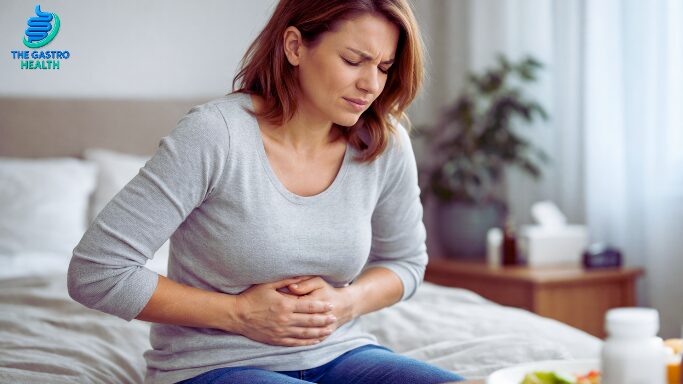
Feeling huge amounts of gas and bloating on a daily basis is not only uncomfortable to experience but it can also disrupt the life, eating habits, sleep and even mind. Bloating on occasional basis is a normal occurrence, but persistent build up of gas and bloating always, particularly following each meal or each morning, can indicate a digestive complication requiring treatment.
What Is Daily Gas and Bloating?
The fullness, pressure, or swelling of the abdomen is known as bloating, whereas gas is air that is trapped in the digestive tract. These symptoms when they become daily, painful, or recurrent with every meal that you take, are termed chronic and not occasional digestive discomfort.
People often describe it as:
Tight or swollen stomach
Severe gas pain daily
Frequently passing gas or burgering.
Stomach is achy after little meals.
Ordinary Progenies of Severe Gas and Bloating daily.
Digestive Disorders
Gut conditions are often associated with chronic symptoms which include:
Irritable Bowel Syndrome (IBS)
Functional dyspepsia
Small Intestinal Bacterial Overgrowth (SIBO)
Chronic constipation
These conditions interfere with the normal gut motility and clearance of gases leading to constant gas and bloating following meals.
Food Intolerances
Food intolerance is a key suspect in case you are gassy and bloated each time you eat.
Common triggers include:
Lactose (milk products)
Gluten sensitivity
High-FODMAP products (onions, beans, cabbage)
Artificial sweeteners
These types of foods are subject to fermentation in the gut, and every time one eats the food, too much gas and bloating are produced.
Difficulty in Digestion and Lack of Enzymes
The digestive enzymes are low thus food is not broken. Fermentation in the intestines results in undigested food resulting in:
Extreme gas pain daily
Abdominal distension
Feeling full for hours
Gut Bacteria Imbalance
Poor microbiome in the gut may lead to chronic bloating and gases. Bad bacteria are more active in producing gas particularly following carbohydrate rich meals.
Hormonal Changes
Hormonal changes in digestion and water retention cause women to complain of gas and bloating before menstruation, during PMS, ovulation or perimenopause.
Eating Habits
Symptoms can be aggravated by the following simple lifestyle factors:
Eating too fast
Swallowing air
Consumption of carbonated drinks.
Large, heavy meals
Symptoms That Cannot be Disregarded.
Bloating is a normal issue that occurs daily, however, consult a doctor in case it occurs in combination with:
Unexplained weight loss
Severe abdominal pain
Blood in stool
Among the symptoms are persistent nausea or vomiting.
Symptoms waking you at night
They can be an indicator of gastrointestinal problems that are more severe.
What Is the Reason behind Postprandial?
It is likely that you have an issue with the digestion and not with the volume of food intake in case you experience extreme gas and bloating after each meal.
Possible reasons:
Delayed stomach emptying
Carbohydrate malabsorption
Gut sensitivity
SIBO
There might be a problem with the way your digestive system works, and you are likely to have gas.
How to relieve Daily gas and Bloating.
1. Adjust Your Diet
Reduce high-FODMAP foods
Restrict processed and fried food.
Avoid carbonated drinks
Try lactose-free options
2. Eat Slowly and Mindfully
Mastication enhances digestion and decreases the amount of air swallowed.
3. Improve Gut Health
Probiotic-rich foods
Fiber in moderation
Adequate hydration
4. Physical Movement
Postprandial ambulation enhances gut motility and gastric trapped gas.
5. Manage Stress
The gut and the brain are interconnected closely. There is an increased worsening of the symptoms of IBS, bloating, and gas because of anxiety.
6. Medical Treatment (If Needed)
Doctors may recommend:
Digestive enzymes
Antispasmodic medication
Probiotics
Low-FODMAP diet guidance
This can involve lactose intolerance tests, SIBO breath tests, or stool tests.
When Is It a Chronic Condition?
In case the condition takes beyond 3 months, appears on most days, and impacts the quality of life, it is regarded as chronic gas and bloating and ought to be considered medically.
Final Thoughts
You cannot ignore the fact that having severe gas and bloating every day is something that you should not dismiss as a normal occurrence. Though, in most cases, lifestyle and diet contribute to the process, chronic symptoms can be a sign of digestive disproportion or a deep-seated disorder of the gut. Early detection of triggers and the maintenance of digestive function can help to alleviate discomfort and enhance the state of health to a significant degree.
FAQs
The reason is why I experience severe gas and bloating on a daily basis?
Bloating and gasses are daily symptoms which are typically associated with such digestive disorders as IBS, food intolerances, constipation, or the imbalance of gut bacteria. It may also be caused by poor eating habits and digestion.
How come I am bloated every time after I eat?
Post-meal bloating can occur as a result of delayed digestion, malabsorption of carbohydrates, SIBO, or an allergy to some foods, such as dairy or high-FODMAP foods.
Is it a severe issue with bloating and gas daily?
A little bit of bloating is not something to worry about but when it occurs on a daily basis accompanied by pain, loss of weight, or alterations in the bowel movements it can be a symptom of a gastrointestinal disorder requiring medical assessment.
What should I do to make myself stop gas and bloating fast?
Slow eating, avoidance of carbonated beverages, restriction of trigger foods, hydration, post-meal walks and probiotics can help to decrease symptoms.
When to consult a doctor because of bloating?
Consult a doctor in case of persistent, severe, and unexplained weight loss, feces with blood, vomiting, or sleep disturbing symptoms.
Medical Disclaimer
This article is informative in nature but is educational and does not supersede the advice of a professional, diagnosis or treatment. Never self-treat in case of persistent digestive symptoms or change in the diet, supplements or medications without consulting a qualified medical practitioner.