Introduction
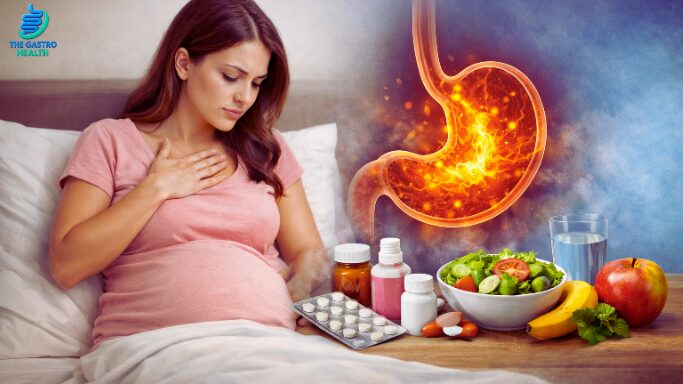
Acid reflux also referred to as heartburn is another common issue during pregnancy. A large number of pregnant women complain of a pain in the chest or the throat which is usually experienced after eating. This pain arises when the acid of the stomach returns to the esophagus and although it is frequent it may impact on everyday living. Identifying the symptoms, causes and being aware of the safe remedies could assist in the management of the acid reflux.
What is Acid Reflux During Pregnancy?
Acid reflux occurs when the lower esophageal sphincter (the esophageal muscle that prevents stomach acid reflux) relaxes, and the stomach acid starts flowing back up the esophagus. This relaxation is more probable during pregnancy when the hormones change especially due to an increase in progesterone. Although heartburn is used to refer to the burning feeling in the chest, acid reflux is used to refer to the actual movement of the stomach acid upwards. The two are prevalent when pregnant and may happen in any trimester.
Causes of Acid Reflux in Pregnancy
Acid reflux in pregnant women is caused by a number of factors. The expanding uterus presses against the stomach forcing the acid back into the esophagus. The hormonal alterations cause the esophageal sphincter to relax, thus making it more likely to reflux. The acid reflux may come as early as the first trimester, but it usually becomes more acute during the third trimester. That is why nausea and vomiting can be considered to be the side effects of reflux during pregnancy. Symptoms are also affected by foods, lifestyle habits and individual body reactions hence the reason some women experience greater symptoms during the night.
Symptoms of Acid Reflux in Pregnancy.
The typical symptoms of acid reflux in pregnancy are:
The painful feeling in the breast or throat.
Retching of food or acidic fluid.
Nausea and periodic vomiting.
Night pain, particularly (acid reflux pregnancy at night)
The symptoms may begin early in pregnancy, as early as at the first trimester, and deteriorate or persist throughout the pregnancy. Some of the myths indicate that heartburn can be a sign of the baby being of a certain gender, but they are not medically proven.
Safe Remedies and Treatments
Home Remedies:
Eat in small frequent meals, not in large ones (acid reflux in pregnancy home remedies)
Examples of food to avoid include spicy, fatty or acidic food (Foods that cause heartburn during pregnancy).
Take calming liquids, such as water or herbal drinks (Drinks that help with heartburn during pregnancy)
Sleep in a high posture to avoid night refluxing (Pregnancy heartburn relief at night)
Medication:
Some of these over-the-counter antacids are safe in pregnancy (acid reflux in pregnancy medication). You should never take any medication without consulting your doctor.
Safe management provides us with answers to such questions as how to treat acid reflux in pregnancy and how to get rid of heartburn in pregnancy fast, as well as combining home remedies and physician-approved methods.
Prevention and Lifestyle Tips
Eat a well-balanced nutritious diet (Eat healthy)
No caffeine, alcohol or smoking ( Stop smoking, Avoid tea and alcohol)
Sit Sit well and do not lie directly after a meal.
Elevation of the upper body when sleeping with the help of pillows (Proper sleeping position)
The reduction of acid reflux without medication is possible by recognizing and preventing personal food triggers ( How to Reduce Acid Reflux During Pregnancy ).
When to See a Doctor
Most of the acid reflux cases during pregnancy are mild; however, consult a doctor when the conditions include:
Vomiting chronic or includes blood.
Weight loss occurs inadvertently.
Heartburn is a great nuisance to everyday life.
Early consultation means that the mother and the baby are not in danger, and such questions as can heartburn and indigestion hurt my baby? or when to claim a GERD specialist during pregnancy are answered early.
Outlook / Prognosis
In the majority of women, the symptoms of acid reflux decrease with delivery. Others can have mild symptoms during pregnancy especially in the third trimester. The symptoms are different among individuals and the period depends on physiology. Learning the safe remedies and healthy lifestyles habits makes the process of pregnancy a little easier.
Conclusion
Pregnancy-related acid reflux can be treated with the help of reasonable care. Making your home safe, paying attention to what you eat, proper sleeping postures and consulting your doctor when you need to can go a long way to alleviate the pain. Through proper strategy, the pregnant women will be able to experience a safer, more comfortable pregnancy and keep both them and their babies safe.