
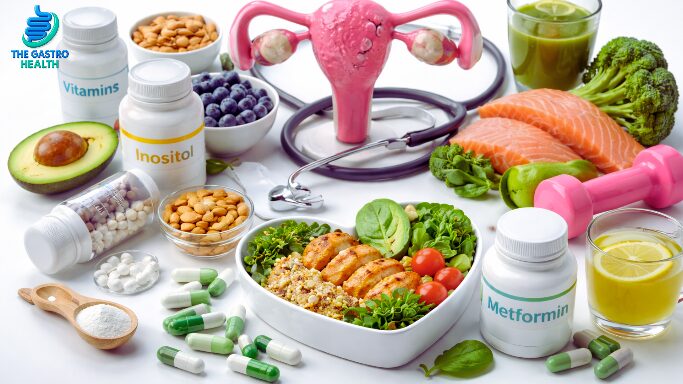
PCOS weight loss vitamins have the potential to promote metabolism, insulin regulation, and hormone wellbeing in the women with Polycystic Ovary Syndrome. Vitamin D, the B-complex vitamins, magnesium, and inositol are the major nutrients that can be used to enhance insulin sensitivity and weight manageability. Coupled with an equal balance of PCOS and weight loss diet, physical activity, and doctoral advice, these nutrients can simplify weight management.
Learning about PCOS and Why Slimming can be Challenging
Polycystic Ovary Syndrome (PCOS) is a disease that afflicts millions of women across the world. It has a tendency to interfere with hormones and metabolism and weight control becomes difficult than normal.
Insulin resistance is a common feature in women having PCOS. This means that the body accumulates more fats and consumes less energy. This change in metabolism can render the conventional weight-loss strategies ineffective.
The role of PCOS Weight Loss Vitamins in Metabolism
Minerals and vitamins are important in production of energy and hormones. Nutrient deficiencies are common among many women with PCOS which can aggravate the symptoms.
When the body gets the right nutrients, there are better metabolic processes in the body. Consequently the sensitivity to insulin follows and fat storage can be reduced.
Typical weight loss vitamin advantages of PCOS are:
Better insulin regulation
Improved hormonal balance
Reduced inflammation
Enhanced energy levels
Assistance to healthy metabolism.
Vitamins are useful, but they should be used in combination with healthy lifestyle habits.
Best PCOS Vitamins to lose weight in women
The role of a number of vitamins in managing PCOS has been researched. These vitamins can help maintain hormone levels as well as weight.
Vitamin D
PCOS among women is highly prevalent in the deficiency of vitamin D. The low levels are common with the insulin resistance and weight gain.
Benefits include:
Increased insulin sensitivity.
Reduced inflammation
Better hormonal regulation
B-Complex Vitamins
B vitamins aid metabolism and generation of energy. They also assist in controlling the stress hormones that can influence the weight.
Vitamins such as B, thiamin, riboflavin, niacin, and several others are important.
Vitamin B12
Vitamin B6
Folate
Magnesium
Magnesium maintains normal blood sugar levels and nerve and muscle activity. It can also decrease fatigue that eases physical activity.
Inositol
Inositol has been suggested to treat PCOS. It enhances the action of insulin and can be used to regulate the menstrual cycle.
Inositol is often a component of many PCOS weight loss supplements since studies indicate that it can enhance the health of the metabolism.
PCOS and Diet Plan to lose weight
Healthy nutrition is undoubtedly one of the best methods of dealing with PCOS symptoms. The diet has a direct effect on the level of insulin and balance of hormones.
A successful PCOS and weight loss diet program normally aims at low-glycemic food and balanced macronutrients.
Recommended foods include:
Protein Lean (fish, chicken, eggs)
High-fiber vegetables
Whole grains
Olive oil and avocado are considered healthy fats.
Nuts and seeds
Foods to limit include:
Refined sugars
Processed carbohydrates
Sugary beverages
Highly processed snacks
Balanced meals taken during the day help normalize the sugar levels and lower cravings.
PCOS Weight Loss Recipe Ideas
A diet plan can be made easier through healthy recipes. Protein-rich, fiber-rich and healthy fats are particularly beneficial as simple meals.
The simplest PCOS weight loss meal may consist of:
Protein-Rich Breakfast Bowl
Ingredients:
Greek yogurt
Chia seeds
Blueberries
Almonds
Benefits:
High protein content
Supports stable blood sugar
Helps curb cravings in the middle of the day.
Such balanced meals are a source of continuous energy and healthy metabolism.
Metformin and PCOS and Losing Weight
Metformin is usually prescribed by doctors to women with insulin resistance and PCOS. The drug is used to aid the body in the efficient utilization of insulin.
Weight management could be easier when there is an improvement in insulin levels.
The potential advantages of metformin and PCOS and weight loss are:
Reduced insulin resistance
Lower blood sugar levels
Possible appetite control
Nevertheless, the medication must never be taken without medical supervision. Long-term success will always need lifestyle changes.
PCOS Weight Loss Supplements
Supplements can be used to aid the metabolic wellbeing when taken in moderation. There are numerous products that are a mixture of vitamins, minerals and plant extracts.
Included in PCOS weight loss supplements are:
Inositol
Vitamin D
Chromium
Omega-3 fatty acids
Magnesium
These nutritional additives can aid in the balance of insulin and energy metabolism. Nevertheless, they are not to substitute a nutritious diet or consultations.
Weight Loss Pills
There are women who consider use of weight loss pills as one of their strategies. Some medications can be of help but the safety should be considered first.
Weight loss pills approved by FDA
Not many medications are approved by FDA to be used in long-term weight management. These medications are normally given to obese persons or to those with metabolic problems.
Examples are prescription drugs administered by a doctor.
Weight Loss Pills for Women
Supplements that claim to help women lose weight fast should be avoided by women with PCOS. Numerous OTC drugs have little clinical support.
Instead, focus on:
Evidence-based supplements
Doctor-approved medications
Green lifestyle modifications.
Green tea Products and weight Loss Pills at GNC
GNC has some of the weight loss pills with herbs like the green tea extract. Green tea has antioxidants and they might have a little effects of increasing metabolism.
Nevertheless, the outcomes tend to be small. The use of supplements must always be done carefully and in moderation.
Lilly Weight Loss Pills
Drugs misused in metabolic wellness have been formulated by pharmaceutical firms like Lilly. The drugs are supposed to control appetite and sugar levels.
Nonetheless, they are prescribable medications and are medically advised.
PCOS and Weight Loss Tips
Weight loss should be done in a sustainable manner and not through one-off solutions.
Useful PCOS and weight loss suggestions are:
Take balanced meals consisting of protein and fiber.
Regular exercise and in particular strength training.
Manage stress levels.
Get 7-8 hours of sleep a night.
Monitor progress slowly rather than quick outcomes.
Minor lifestyle modifications can make a great difference in an individual metabolic health in the long run.
Conclusion
Treatment of PCOS may be complicated, particularly when one feels that weight reduction is slow or challenging. Nevertheless, the combination of the appropriate strategies can help. Medical counseling and hormonal balance in PCOS weight loss vitamins and balanced nutrition are combined efforts that combine to improve metabolic health and balance. Once women put their minds together in terms of embracing sustainable measures as opposed to temporary solutions, weight management over the long term would be way easier.
FAQs
These include vitamin D, B-complex vitamins, magnesium and inositol. These nutrients can help to maintain insulin sensitivity and balance of hormones.
Yes. Metformin has the potential to improve the insulin resistance, which can be used in conjunction with diet and exercise to support weight management in PCOS women.
Prescription medications can be safe when administered by a physician. Nonetheless, most of the over-the-counter pills are not well-supported by evidence.
It is commonly recommended to follow a diet that is high in lean protein, fiber, whole foods, and healthful fats. Low-glycemic foods are used to manage the blood sugar.
Certain supplements can be useful in terms of metabolic health. They are however best used in association with proper nutrition and physical exercise.
Medical Disclaimer
This article is not intended to substitute professional medical advice, but is an educational purpose only article. Never take any medication, supplement, or fat-loss program without consulting a certified medical practitioner.