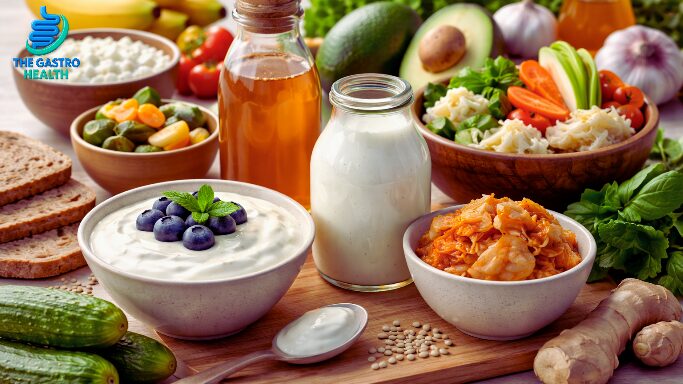
Stomach Probiotics and fermented food aid in digestion by balancing the gut bacteria. Yogurt, kefir, sauerkraut, and kimchi help to enhance the gut flora and decrease bloat levels and boost immunity. Frequent consumption of natural probiotic foods may relieve the symptoms of gastritis and lead to digestive health in the long run.
It is not uncommon as we would believe. Acid reflux, constipation, and bloating usually start at the digestive. This is why the knowledge on probiotics and fermented foods to keep the stomach healthy is the key to well-being in the long-term.
What are Probiotics and What is their Significance?
Probiotics are live positive bacteria which help in the digestive health. They increase the proportion of gut microbiota and the absorption of nutrients.
Probiotics are in simple terms, good bacteria. They aide in food digestion, vitamin production as well as guarding against dangerous microbes.
Understanding Probiotics and their benefits to Digestion
Improve gut flora balance
Reduce bloating and gas
Support immune function
Diarrhea and constipation: aid in the treatment.
May suppress gastritis symptoms.
Probiotics are found to enhance the intestinal barrier. Consequently, the inflammation is reduced and the digestion is enhanced.
Probiotics and Fermented Foods to Stomach Wellness
Speaking about probiotics and fermented foods as sources of good health of the stomach, one should understand the mechanism of fermentation. Natural bacteria can be grown in food through fermentation. Such bacteria in turn are helpful to your intestines.
Active cultures of fermented foods exist. Nonetheless, fermented food does not necessarily include live probiotics. Others have been pasteurized and this kills bacteria.
The 10 Best Probiotic Foods to Keep Your Gut Healthy
This is a list of fermented foods to promote gut health
Yogurt with live cultures
Kefir
Sauerkraut
Kimchi
Kombucha
Miso
Tempeh
Pickled vegetables (fermented naturally)
Idli and dosa batter (fermentation)
Kanji (Indian beverage made by fermentation)
Kefir is usually regarded as the richest source of probiotics among them since it has several strains of bacteria.
What Fermented Food has the most Probiotics?
Kefir is generally most diverse in probiotics. It is characterized by bacteria and yeast strains. This makes it potent in regard to digestive balance.
Nevertheless, homemade yogurt and naturally fermented vegetables also are a good source of probiotics. Freshness matters. The fresher a product, the alive the bacteria in it.
These are natural probiotic foods, which enhance digestion and are not harsh to the stomach.
Prebiotic Foods: Feeding the Beneficial Bacteria.
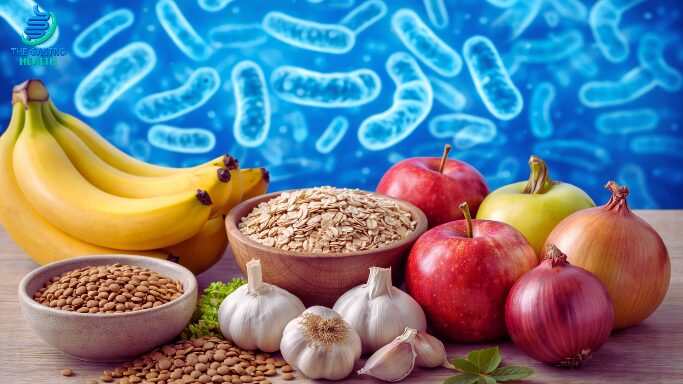
Probiotics require energy in order to live. This energy is referred to as prebiotics. Prebiotic foods are those that have fiber that nourishes the healthy bacteria.
Examples include:
Bananas
Garlic
Onions
Oats
Apples
Lentils
Probiotics and prebiotics can work together to produce a great gut-healing effect.
What Does the Intestine Do Naturalely to Kill Unhealthy Bacteria?
The harmful bacteria are put at bay by a healthy gut environment. Some foods occur to possess natural antimicrobial properties.
These include:
Garlic
Ginger
Turmeric
Honey
Green tea
Fermented Foods and Gastritis and Skin Problems?
Gastritis symptoms can be treated with fermented foods which can reduce inflammation and increase the integrity of the gut lining. Nevertheless, fermented foods with a very high spiciness can aggravate symptoms of sensitive people.
Interestingly, the gut health influences the skin health. With the enhanced state of digestion, acne and eczema can decrease. The gut-skin relationship is a well-known documented medical research.
Who should not eat fermented foods?
Even though this type of stomach health through the use of probiotics and fermented foods is constructive, not all people can be sure.
Individuals who are to receive medical care before taking excessive quantities:
Individuals having impaired immune systems.
Patients who are under immunosuppressive treatment.
Patients with acute gastritis exacerbations.
Individuals having histamine intolerance.
The fermented foods can initially lead to bloat. Begin with slow speed and see how your body responds.
Lacking Probiotics Symptoms
The imbalances of the bacteria in the gut may result in observable symptoms.
Common signs include:
Frequent bloating
Irregular bowel movements
Sugar cravings
Fatigue
Recurrent infections
Skin breakouts
In case these symptoms do not improve, one of the solutions is the increase in the intake of probiotics.
What are the Three Super Foods to your Gut?
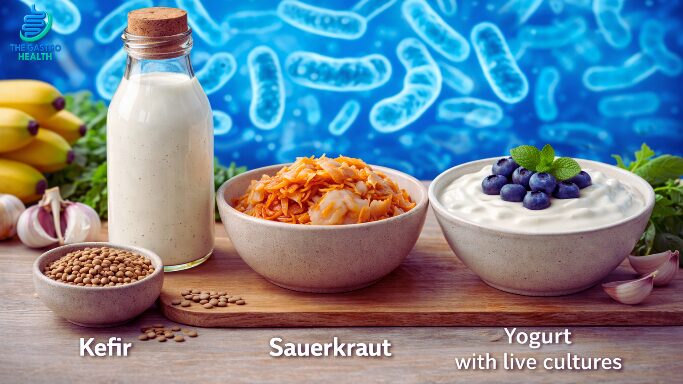
These are the so-called gut superfoods:
Kefir
Sauerkraut
Yogurt with live cultures
These are foods with high probiotic counts that help in the healing of the digestive organ.
Other foods that are gut-healing are bone broth, bananas, oats and leafy greens.
Probiotics: How to Prepare Your own
Home made probiotics are easy and cheap.
Homemade Yogurt Method:
Bring milk to a boil and allow it to cool off to a lukewarm.
Following 1 spoonful of live culture of yogurt.
Keep warm, cover and leave 6-8 hours.
That is now natural probiotic yogurt.
Fermented Vegetable Method:
Chop cabbage.
Add salt and massage well.
Store in a sealed jar for 3-5 days.
This makes home brewed sauerkraut that is full of helpful bacteria.
Probiotics: What to Eat Every Day?
Out of everyday gut support:
1 bowl yogurt or kefir
A little bit of fermented vegetables.
Fruits such as bananas contain prebiotic.
It is the quality, rather than the amount, that counts. Little portions per day are the best.
Dangers of Fermented Foods
Although positive, fermented foods can bring about:
Temporary bloating
Excess gas
Headache (infrequent, as a result of histamine sensitivity)
Consuming excess is annoying to delicate stomachs. Moderation is key.
Conclusion
Fermented products and probiotics to support the health of the stomach are extremely important in the digestive balance. They boost bowel flora, boost immunity and can lessen inflammation. You promote the gut healing in the long term by consuming prebiotics with foods that contain probiotics to an extent.
The Gastro Health
Looking to get additional digests approved by experts? Read and learn more about TheGastroHealth and naturally build the gut today.
Start slowly. Select natural and fresh sources. Listen to your body. A healthy intestine develops a healthier existence.
FAQs
Probiotics are not naturally found in fruits. Nonetheless, bananas are prebiotics and favor the growth of the beneficial bacteria.
Kefir is regarded to be one of the richest sources of probiotic because of the various strains of bacteria.
They increase the balance of gut bacteria, decrease bloating, and increase nutrient absorption.
Individuals who have a weak immunity, severe gastritis or those who are intolerant of histamine should see a physician.
Naturally, eat yogurt, kefir, fermented vegetables, and prebiotic foods every day to support your gut.
Medical Disclaimer
This paper is not the substitute of professional medical advice but an educational one. Change in dieting should always be consulted with a qualified healthcare provider.