
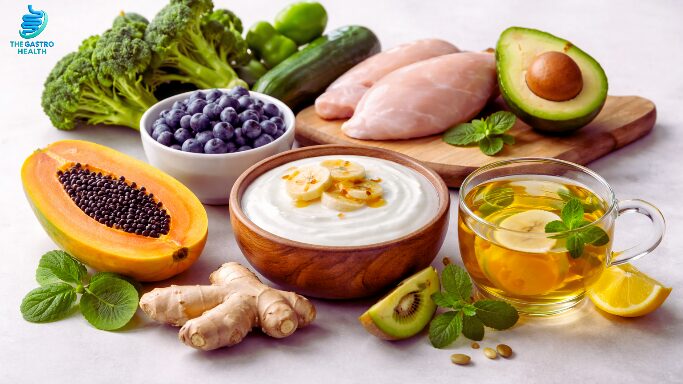
The most typical digestive complaints in the world are gas and bloating. The question that many people put across is, what should I eat when I am bloated? or What should one eat to be gas and bloat? The positive aspect is that diet has a strong effect in decreasing stomach gas, abdominal pressure and digestive discomfort. By making the correct food selection, the gut will be soothed, which helps with healthy digestion, and inhibits too much gas evolution in a natural manner.
Why Some Foods Cause Gas
It is necessary to learn why bloating occurs before mentioning the foods to alleviate the bloating condition in a short period of time. Gas develops when the intestines do not have any digested carbohydrates, and the bacteria in the gut ferment the carbohydrates. Bloating is aggravated by high-refined sugar and artificial sweetener foods and fibers that are difficult to digest. Gas is also trapped in the stomach by carbonated beverages, fried food, and the highly processed foods.
What are the best Vegetables when it comes to reducing gas?
A lot of vegetables enhance digestion without excessive fermentation. Vehicles that are the most effective in reducing gas are:
Squash – can be digested with ease and has minimal fermentable carbohydrates.
Spinach – aids the intestinal motility and inflammation.
Carrots – light to the stomach.
Cucumber – is rich in water that helps in getting rid of bloating.
Bell peppers – contain antioxidants and produce low amounts of gases.
People who have sensitive digestion will normally tolerate steamed vegetables better as opposed to raw vegetables.
Fruits Not to Bloom in the Stomach
There are fruits that are low in fermentable sugars naturally, and are perfect when you are gassy, bloated:
Bananas – assist in controlling bowel movements.
Papaya – is rich in digestive enzymes.
Blueberries – low FODMAP fruit.
Oranges – help in binding and digestion.
Kiwi – improves gut motility
This is because these fruits are digestible and can be used to relieve the effects of bloating without excessive gas.
The way that Animal Proteins may be used to reduce gas
The animal proteins made lean tend to be less likely to ferment in the gut than carbohydrates. Good choices include:
Eggs
Skinless chicken
Fish
Turkey
Protein aids in repair of the gut and stabilization of digestion. Do not eat processed meats, which can lead to more inflammation and bloating.
Fermented Foods to Improve Digestive Effectiveness
Fermented foods also bring in healthy bacteria which enhance gut balance. A normal microbiome decreases gaseous build-up. Helpful options include:
Yogurt with live cultures
Kefir
Sauerkraut
Kimchi
These foods help avoid the build-up of gas and bloating as they help with easier digestion.
New Breakfast Foods to lower gas
The most common question that has occurred in the minds of many individuals is: What is the best breakfast to eat to prevent bloating? The most desirable breakfast choices entail:
Oatmeal (wetted or cooked)
Scrambled eggs with spinach
Banana with yogurt
Rice porridge
These foods are light to the stomach and they serve to decrease morning gas.
What to Drink to relieve Bloating and Gas
Water is required to decrease swelling and edema. The morning beverages to reduce bloating include:
Warm water with lemon
Ginger tea
Peppermint tea
Fennel tea
These beverages dilate digestive muscle and pass gas in a natural manner. Sodas and sweetened beverages are to be avoided and these enhance bloating.
Foods That contribute to Bloating
In case you are wondering, What should I not eat when bloated? avoid:
Beans and lentils (unless sensitive)
Large amounts of broccoli and cabbage.
Fried foods
Dairy (lactose intolerance)
Artificial sweeteners
Carbonated beverages
These are among the poorest foods in terms of gas causing fermentation and slow digestion.
How to Eat to Get Rid of Gas in the Stomach Fast
In a case of already existing bloating, eat light and soothing foods:
Plain rice
Boiled potatoes
Yogurt
Herbal teas
Papaya
These foods eliminate gas fast because they relax the digestive tract.
Food to Improve Bloating and Inflammation
An anti-bloating diet is long term and includes:
Unprocessed and minimally processed foods.
Lean proteins
Fruits and vegetables with low FODMAP.
Adequate water intake
Fermented foods
Slow, non-overeating, and sustained light exercises are also useful in getting rid of stuck gas.
Final Thoughts
Gas and bloating are also diet related and can be managed by making the right food. Concentrating on the easy to digest vegetables, fruits, low fermentation fruits, low-fat proteins, fermented foods, and hydration will help ensure that digestion is healthy and minimize discomfort. Permanent gut equilibrium is the result of regular food intake, conscious portion consumption, and an all-around anti-inflammatory diet instead of short-term solutions.
Medical Disclaimer:
This content is for educational purposes only and not a substitute for professional medical advice, diagnosis, or treatment. Persistent or severe bloating, abdominal pain, or digestive changes should be evaluated by a qualified healthcare professional.