If you have ever had that sudden, burning sensation creep up your chest after a meal, then you most definitely know just how unpleasant it can be. Heartburn and acid reflux are more than just minor annoyances; they interrupt your day and leave you feeling drained. But the good news is, nature has given us a set of simple foods that can calm your stomach almost instantly. Think of them as little shields provided by nature to ward off the fiery sting of stomach acid.
Now, let’s discuss such food and some practical tips in a way that can feel easy, natural, and human-no medical jargon, just real advice that works.
Stomach Acid: Understanding It and Why It Becomes a Problem
What are the causes of increased stomach acid?
The acidity in the stomach is necessary for digesting the food you consume; however, sometimes it can surge at the wrong time or can go in the wrong direction to cause uneasiness. Common things that trigger this are as follows:
Eating too quickly or overeating
High-fat meals and fried foods
Spicy or highly seasoned foods
Stress and poor sleep
Lying down after eating immediately
Coffee, alcohol, or any other carbonated drink
Symptoms of High Stomach Acid
With an increase in acids, the individual may observe:
A burning feeling in your chest called heartburn
Sour taste or regurgitation in the mouth
bloating and discomfort
excessive belching or burping
Mild nausea
Recognizing these signs early can help you respond with the appropriate foods.
Foods to quickly soothe stomach acid
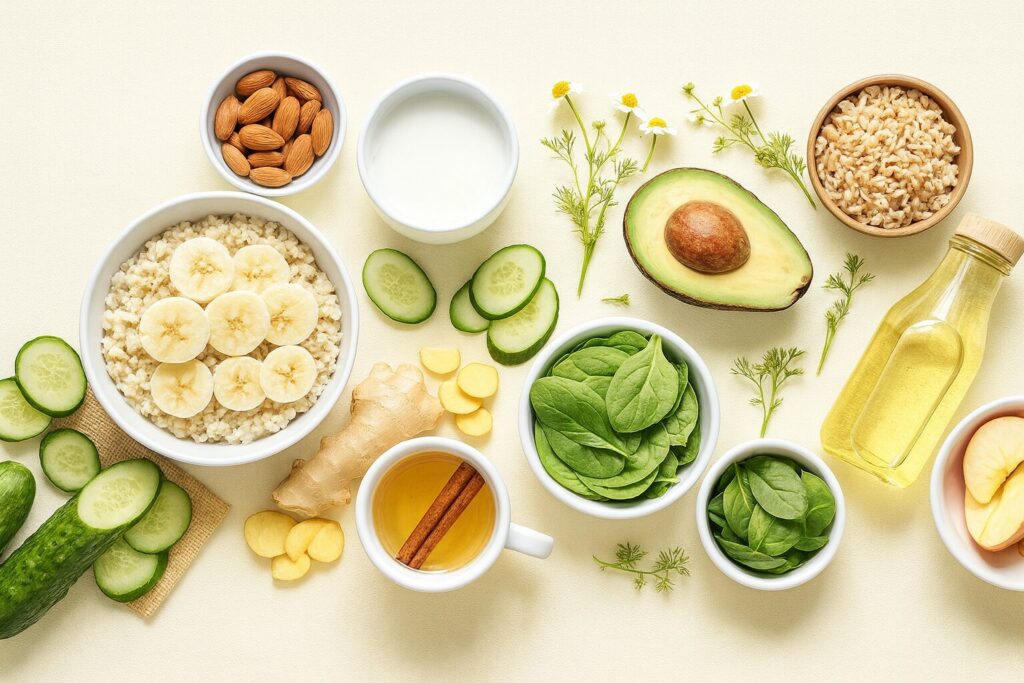
Some foods are like balm to your stomach; non-irritating, natural, and amazingly effective.
Bananas
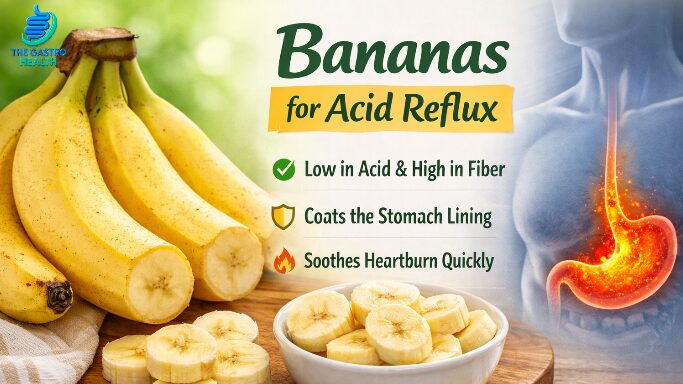
They are soft, contain low amounts of acid, and a high amount of fibre. They line the stomach lining that can prevent the sudden reflux of acids. Having a banana during any impending discomfort soothes the burning in minutes.
Ginger
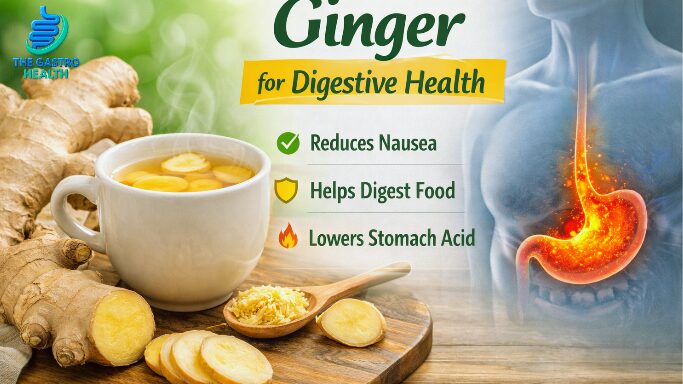
For millennia, ginger has been used both in Europe and Asia to help digestion. A slice or two steeped in hot water, a small piece chewed slowly, or even ginger tea can lessen nausea and reduce the production of acid.
Oatmeal
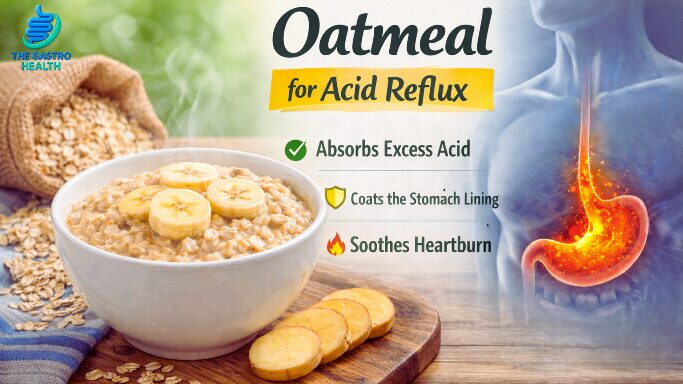
Warm oatmeal absorbs excess acid and lays a gentle layer in your stomach. It’s filling, soothing, and great for either breakfast or a light evening snack.
Yogurt
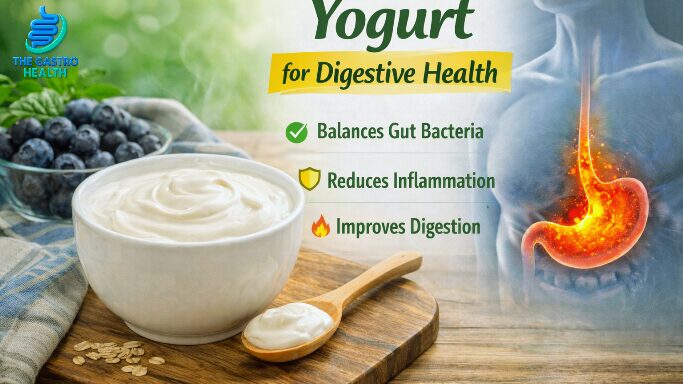
Plain, unsweetened yogurt contains probiotics that keep your gut bacteria in balance. It reduces inflammation and improves the long-term digestive health of an individual.
Almonds
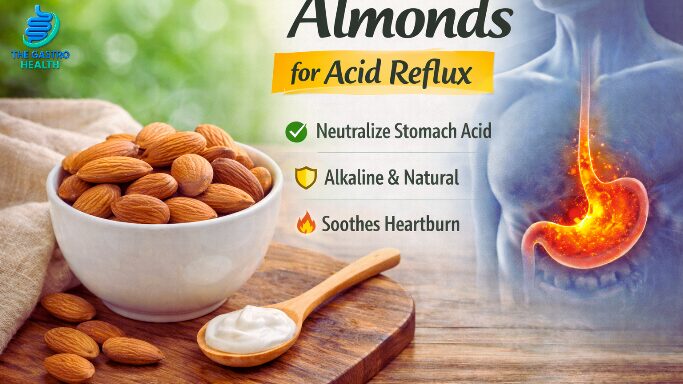
Raw almonds are by nature somewhat alkaline and have the capability to neutralize stomach acid. A small handful is just enough to soothe your stomach without loading it much.
Chamomile Tea

Chamomile works to relax both the stomach and the nervous system. A warm cup before bed can reduce night-time acid reflux and just generally help a person sleep more comfortably.
Coconut Water
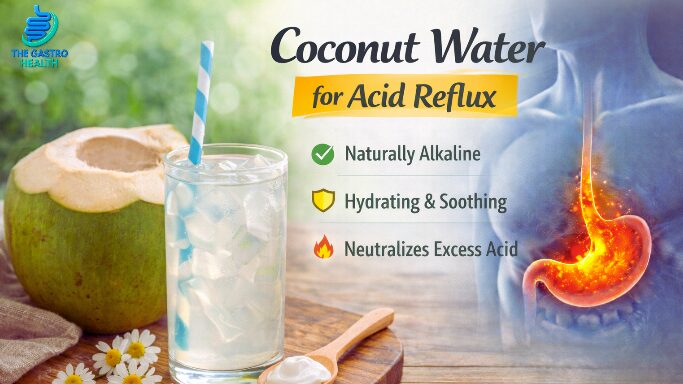
Since coconut water is naturally alkaline and hydrating, a small glass of it soothes the inflammation in your stomach lining by neutralizing excess acid.
Natural Foods That Prevent Acid Reflux
High-Fiber Foods
Fibre helps move food efficiently through your digestive system to prevent acid build-up. Good options include:
Whole grains include: Brown rice and oats
Roots: vegetables such as carrots, sweet potatoes
Beans and lentils, if tolerated
Alkaline Foods
Foods that are less acidic balance out the acidity of the stomach.
Spinach, kale, and broccoli
Melons and Avocados
Cucumbers and zucchini
Water-rich fruits and veggies
These hydrating foods also reduce irritation
Lettuce, celery and cucumber
Watermelon and cantaloupe
Worst Foods for Acid Reflux
Foods that almost guarantee heartburn if taken in excess include
High-Fat Meals and Fried Foods
They delay the emptying of the stomach, which lets acids stay inside the stomach longer. Examples include fries, fried chicken, and creamy sauces.
Spicy Food
Peppers, chilli, and hot sauces irritate the oesophagus and make symptoms worse.
Citrus & Sour Fruits
Oranges, lemons, limes, and grapefruits have a natural acidity.
Carbonated Beverages
These drinks, like soda and sparkling water, can trap gas in the stomach and raise acid upward.
Tomato Products
Ketchup, pasta sauces, and pizza will commonly aggravate reflux.
Foods to Avoid With Acid Reflux Disease and Ulcers
Caffeine
Strong coffee and strong tea and energy drinks relax the valve that keeps the acid from going up the oesophagus.
Chocolate
Contains both caffeine and fat; thus, it can be considered a double trigger for reflux.
Snack Foods
Most of these foods irritate the stomach lining due to their salt, oil, and preservative content.
Vinegar-based Foods
Pickles, chutneys, and vinegar dressings sometimes exacerbate a burning sensation.
Foods to Avoid for Baby Acid Reflux
Babies have tender digestive systems and therefore require extra caution.
Acidic Fruit Juices
Avoid juices like orange, pineapple, and grape.
Chocolate Milk
Too rich and heavy for their stomachs.
Spicy or heavy foods
These are badly digested by babies’ digestive systems.
A Simple Acid Reflux Meal Plan
A gentle, structured meal plan has been shown to decrease symptoms and prevent the development of sudden acid spikes.
Breakfast
Oatmeal with sliced bananas or pears
Wholegrain toast with light spread of honey
Herbal tea instead of coffee
Lunch
Grilled or baked chicken, with steamed vegetables.
Brown rice accompanied by cucumber and carrot salad
Lentil soup or vegetable stew
Dinner
Baked fish with green vegetables
Light pasta with olive oil; tomato sauce to be avoided
Mashed potatoes with steamed carrots or zucchini
Snacks
Almonds or walnuts
Low-acid fruits include, but are not limited to the following: pears and melons.
plain yogurt or ginger biscuits
Foods That Help with Nighttime Acid Reflux
Foods that can help Night-time reflux can disrupt sleep, but these foods help:
Light, Non-Acidic Foods
Small amounts of oatmeal, bananas, wholegrain crackers
Herbal Drinks
Chamomile, ginger, or licorice tea at bedtime may relax the stomach.
Smoothing Options
A spoon of honey-for those above one year, warm milk- if well tolerated, or banana slices.
What to drink for acid reflux?
Herbal Teas
Teas that go easy on the stomach include chamomile, ginger, and licorice root.
aloe vera juice
Reduces the inflammation of the digestive tract.
Coconut water
Helps to balance stomach acid naturally.
Honey and Warm Water
Soothes irritation, easily digested.
Acid Relief: Top Foods to Avoid
Minimizing certain things will provide long-term relief:
Prepacked fried snacks and crisps
Energy drinks and caffeine-laden sodas
High-fat and spice-containing fast foods
Practical ways to handle stomach acid Eat slowly and chew well. Avoid sleeping directly after taking meals. Dinner should be light and simple. Herbal teas, such as peppermint, chamomile, or licorice root, can be substituted for the use of coffee. Key foods in your diet should include high-fiber, low-acid, and alkaline. The little changes can make a big difference in reducing heartburn and improving digestion in general.
Conclusion
Managing stomach acid need not be complex. Food can quickly neutralize acid and head off heartburn before it takes over the day by settling on gentle, alkaline, fiber-rich foods such as bananas, oats, yogurt, almonds, and ginger. Added to mindful eating habits, these foods develop a simple and natural strategy that works beautifully for everyday comfort. Remember, it is always easy to prevent something than to manage sudden discomfort.
FAQ
Bananas, oatmeal, plain yogurt, almonds, and ginger are among the best foods that can quickly neutralize stomach acid and soothe heartburn naturally.
Chamomile tea, ginger tea, coconut water, and warm water with honey are gentle drinks that help reduce acid irritation and calm the stomach.
Yes, bananas are low in acid and high in fiber. They coat the stomach lining and help reduce acid reflux symptoms quickly.
Avoid fried foods, spicy meals, citrus fruits, tomato products, caffeine, chocolate, and carbonated drinks, as they can trigger heartburn and worsen reflux.
Yes. Eating slowly, avoiding late-night meals, reducing stress, and choosing alkaline, high-fiber foods can significantly lower acid reflux symptoms.
.
Medical Disclaimer
This content is for informational purposes only and does not replace professional medical advice, diagnosis, or treatment. If you experience frequent or severe acid reflux, chest pain, difficulty swallowing, or persistent symptoms, consult a qualified healthcare professional for proper evaluation and care.